
Getting results with social media marketing isn’t about luck. If you want to know how to promote products on social media, start with a focused plan and proven tactics that reach and convert your audience. This guide gives you a practical, step-by-step playbook for online stores ready to drive real growth in 2026.
Select the Right Social Media Platforms for Your Products
Each platform attracts a different audience, so matching your product to your buyers matters more than trying to be everywhere. Facebook, Instagram, and LinkedIn cover most online store needs. Facebook reaches a broad age range and is ideal for products with wide appeal; most marketers still use it for product promotion. Instagram skews younger and is highly visual, making it a strong choice for fashion, beauty, and lifestyle items. LinkedIn fits B2B or professional products, so it’s best if your store sells business tools or services.
Some products perform best on video-focused platforms like TikTok, but if your team can’t create regular short-form videos, focus on platforms where your buyers already spend time and where you can post consistently. Check your analytics or review current usage data: most shoppers now research products on social media before buying.1 For many stores, Facebook and Instagram offer the best mix of reach and engagement in 2026.
Build a Content Calendar to Stay Consistent
Consistency keeps your brand visible when buyers are ready to purchase.2 Plan promotions, launches, and recurring themes to spread activity across the month. Tools like Synapis let you schedule posts in advance, so you can publish regularly without last-minute stress. Start with three posts per week as a baseline, mixing product spotlights, customer stories, and behind-the-scenes looks to keep your feed interesting.
A calendar helps you time big pushes, like product launches or seasonal sales, so you don’t overwhelm your audience or miss key retail moments. As you see what gets the most attention, adjust your mix and posting times for better results. Most engagement comes from consistent posting, users check their feeds daily and spend significant time on social media, so regularity pays off.3
Create Compelling Visuals and Captions That Sell
A product image alone rarely gets noticed. Pair high-quality, on-brand photos with captions that highlight the product’s benefits or uses. Use natural lighting and real-life settings, authenticity builds trust and increases engagement. Instagram rewards striking visuals, but Facebook and LinkedIn audiences also respond to well-crafted posts. Use templates with your brand colors and fonts for a cohesive look.
Captions that convert do more than describe the product. Address your buyer’s needs or goals and offer a clear next step: “Shop now,” “See more,” or “Tell us what you think.” If your store uses Synapis, it can generate on-brand captions and images, saving time while keeping every post aligned with your store’s voice and style.
Leverage Video Content to Boost Engagement
Short videos now outperform static posts for product promotion.4 Platforms like Instagram Reels and Facebook Stories deliver higher reach and interaction. You don’t need a big budget, a 30-second demo, quick tips, or an authentic customer testimonial filmed on a phone is enough. Show products in use, answer customer questions live, or reveal new arrivals to create excitement and immediacy.
Mix planned and spontaneous clips. Live videos let you interact in real time, answer questions, and demonstrate features, which builds trust and helps drive conversions. For stores aiming for maximum impact, schedule a regular video slot, such as a weekly product Q&A or a monthly behind-the-scenes tour.
Encourage and Share User-Generated Content
People trust each other more than they trust brands. Encourage customers to post photos or reviews using a branded hashtag, and share their posts on your channels (with credit).5 This user-generated content (UGC) acts as powerful social proof and often gets better engagement than branded content. Feature customer stories, unboxing videos, or before-and-after shots to build credibility and community.
Run contests or giveaways to generate more UGC, asking followers to submit content for a chance to win a product or special mention. Clearly state the rules and always acknowledge participants. Regularly spotlighting customer posts shows appreciation and encourages others to share their experiences with your store.
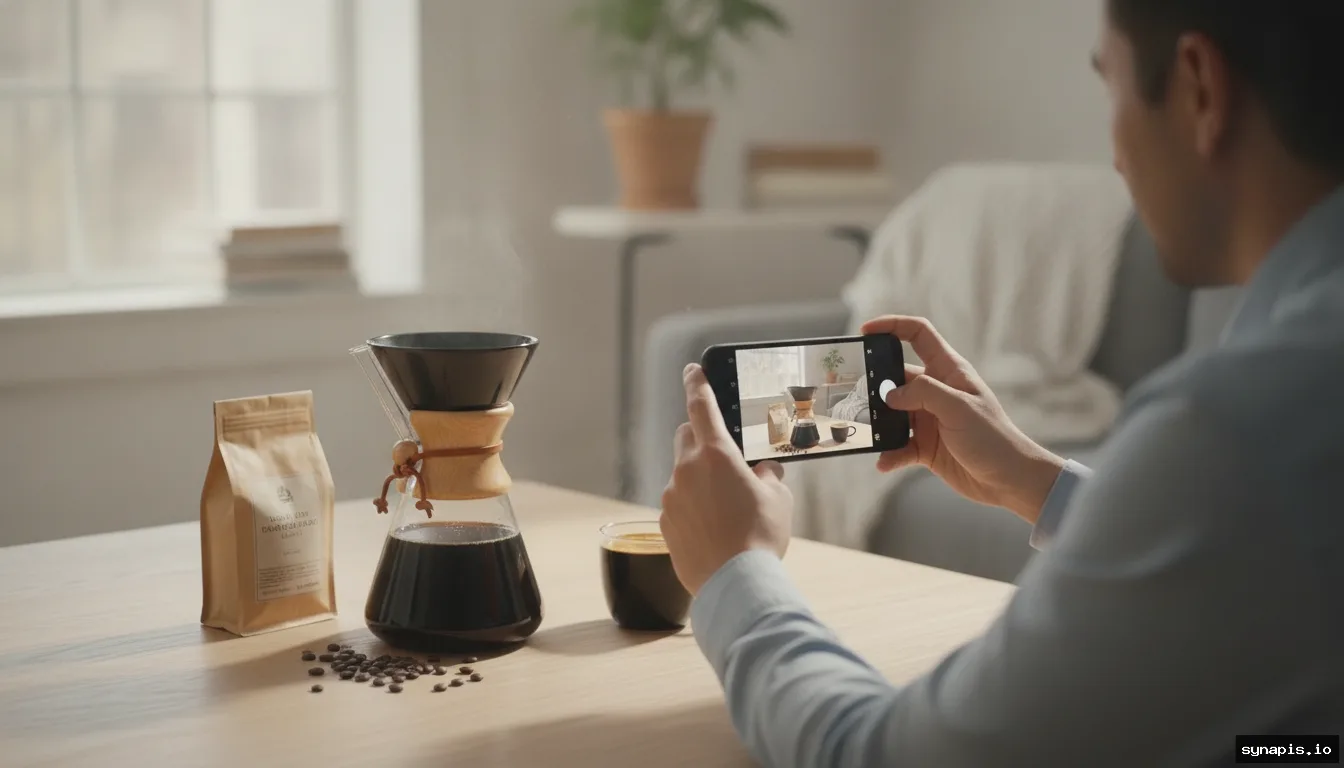
Run Interactive Campaigns and Contests
Direct promotion isn’t always the most effective way to generate interest. Interactive campaigns, such as polls, quizzes, or hashtag challenges, invite participation and keep your brand top of mind. For example, a “name our new product” poll or a photo contest with a store-related prize creates excitement. Make your campaigns easy to enter, one-click voting or commenting works well.
Giveaways attract attention but need clear structure. Explain the entry process, eligibility, and deadline in every post. Aim for goals beyond likes, such as collecting customer photos, generating product reviews, or bringing in new followers. Review performance after each campaign to see what drove not just engagement, but real product interest or visits to your store.
How to Promote Products on Social Media With Analytics
Promotion is only effective if you know what’s working. Track engagement metrics, likes, comments, shares, saves, impressions, and reach, on every post to identify patterns. Each platform and tool reports different data, but tracking these consistently lets you focus on what resonates with your audience. If product demos get more shares than static images, shift your resources toward more video content.
Synapis reports engagement metrics for posts published to Facebook, Instagram, and LinkedIn, so you can compare post types and timing. Use this data to adjust your content calendar and refine your strategy. Small changes, like tweaking headlines or posting times, can lead to noticeable improvements in reach and clicks.