

An effective product launch social media plan for online stores starts long before launch day. Successful brands lay out a timeline, build buzz, create on-brand content, and keep engagement high throughout the launch and after. Here’s how to structure every stage for maximum visibility, engagement, and sales.
Building Anticipation Before Launch
Start talking about your product weeks before it’s available. Teaser posts give your audience reasons to watch your feed. Share sneak peeks, hint at features, or count down with scheduled posts that reveal just enough to spark curiosity. For instance, a beauty brand might post close-up shots of a new palette’s colors or short clips showing it in action. Use behind-the-scenes photos, early product sketches, or development stories to make your audience feel in the loop and invested.
Consider a drip campaign: release different pieces of info every few days, one day it’s the release date, another day it’s a unique feature or user testimonial from testers.1 Each post should encourage interaction, whether it’s a question, poll, or emoji reaction. Use platform-specific features, like Instagram Stories’ countdown stickers, to make reminders part of your audience’s daily scroll. The aim is to create momentum so your followers anticipate your launch and are ready to engage or buy the moment it drops.

Key Elements of a Product Launch Social Media Plan for Online Stores
Your timeline should map out every phase, from teasing the product, to launch day posts, to follow-up content after launch. Assign clear roles for who creates, approves, and publishes each post. Plan assets in advance: photos, videos, graphics, and captions tailored for Facebook, Instagram, and LinkedIn, as those are the major platforms with strong reach and engagement for online stores.
A social media plan for a launch should include:
- Content calendar: Day-by-day plan for all posts, with themes and goals for each.
- Asset list: Photos, videos, and graphics sized for each platform.
- Messaging: On-brand captions that highlight product benefits and answer likely questions.
- Engagement prompts: Questions, polls, and calls-to-action that drive comments, saves, and shares.
This structure keeps the team aligned and ensures you don’t scramble at the last minute for content or approvals. Schedule posts for optimal times, typically weekdays in the morning or early afternoon for B2C, though check your own metrics for best results.
Content Strategies to Drive Awareness and Sales
Different types of content spark different actions. For launches, combine educational posts (how the product works, what problem it solves), interactive content (polls, quizzes, Q&As), and user-generated content (photos or feedback from beta testers or early buyers). Mix short-form video, such as reels or stories, with carousels and static images. Genuine, lower-production clips often feel more relatable and trustworthy than slick, polished videos, especially with today’s social media audiences.
Highlight key differentiators: is your product made with sustainable materials, or does it solve a problem competitors ignore? Clear “what’s in it for me” messaging increases conversion rates. Consider limited-time offers or bundles available only during launch week. These reward early action and can dramatically increase your first wave of sales momentum.
Leveraging User-Generated Content and Community Engagement
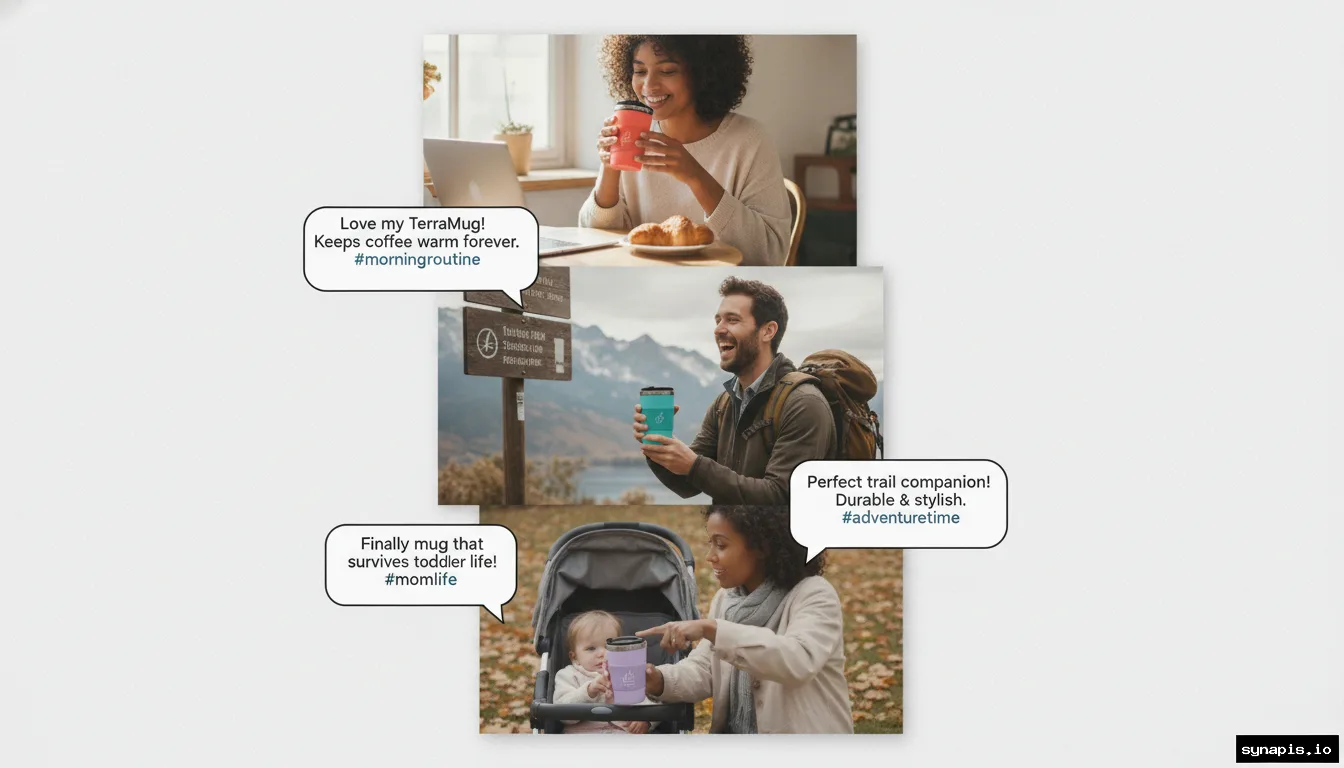
User-generated content (UGC) is highly trusted and can expand your product’s reach. Encourage customers to share photos or videos using your new product. Run a giveaway or contest where participants post with a branded hashtag for a chance to win. For example, ask, “Show us your best use of our new planner for a feature on our Instagram!” and follow up by sharing the best submissions and crediting their creators. This not only grows awareness but also builds loyalty with your community.
Engage with every tagged post, comment, and mention. Thank customers publicly, and feature their content on your feed or stories. This increases positive sentiment and motivates others to join in. Make sure your plan carves out time daily to interact on your chosen platforms; even a quick response or reshare can make customers feel seen and valued, deepening the relationship with your brand.
Analytics and Measuring Social Media Launch Success
Set clear, measurable objectives before your launch: total reach, engagement rate, link clicks, or direct sales attributed to your campaign. Use platform analytics to monitor post performance in real time. Track which content or offers generate the most interaction or clicks, this helps you double down on what’s working and adjust your plan for future launches.
Look for trends: did your teaser posts drive follower growth? Did the launch video gain more shares than photos? Are people saving your how-to guides for later reference? On platforms like Instagram, key metrics include reach, impressions, shares, comments, and saves. For brands using Synapis, the platform reports engagement metrics on published posts, helping you identify which types of content perform best. Use these insights to refine your ongoing strategy, retarget those who engaged but didn’t buy, and prepare for your next campaign.
Automating and Scaling Social Media Campaigns for Launches
Consistency and speed matter during a product launch. Automation tools can streamline the process, especially for stores juggling multiple platforms and high volumes of content. By analyzing your brand’s website, Synapis automatically produces on-brand captions, images, and post schedules for Facebook, Instagram, and LinkedIn. This frees up your team to focus on responding to customers and optimizing in real time, rather than scrambling to create content from scratch.
After connecting your online store’s product catalog, posts are generated and scheduled ahead of time, ensuring every phase (teasers, launch announcements, post-launch follow-ups) goes out as planned. Automated reporting surfaces what’s working, so you can tweak messaging or creative elements mid-campaign. The result: a launch that feels coordinated and professional, with every channel echoing your message and maximizing reach.