

Looking for a proven Facebook marketing strategy for ecommerce? Start by mapping your Facebook activity to a full-funnel approach: build awareness, nurture interest, and drive purchases using formats and workflows that match each stage. With Facebook’s strong click-through rates for retail and ongoing growth in Marketplace, the right strategy can turn casual browsers into loyal customers.
Understanding the Facebook Funnel for Online Stores
The Facebook funnel organizes your ecommerce marketing into three core stages: awareness, consideration, and conversion. At the top, reach as many relevant users as possible and introduce them to your brand. The middle focuses on building interest, often through product education or social proof. The bottom is about converting intent into sales with strong offers or retargeting. This funnel reflects how shoppers move from browsing to buying, allowing you to tailor content, ad formats, and calls to action for each step.
For example, a beauty retailer might use brand video ads for awareness, carousel posts with customer reviews for consideration, and dynamic retargeting ads with a discount for conversion. This method aligns content and budget with actual buying behavior, resulting in more sales rather than just superficial engagement.
Latest Trends in Facebook Ecommerce Marketing
In 2026, success means adapting to Facebook’s changing ecosystem. Leading brands use AI-driven content personalization and balance short-form video for reach with longer video or albums to build trust. Facebook Reels and short videos now receive over three times more reach than static posts, making them essential for top-of-funnel discovery, while longer testimonials work well in the middle of the funnel.12
Marketplace continues to grow, with billions of active shoppers and significant gross merchandise value. This expansion gives store owners more opportunities to connect with buyers ready to purchase. Another trend is using private groups or Messenger-based offers to build customer loyalty after a sale.
Choosing the Right Facebook Formats for Each Funnel Stage
Each funnel stage pairs best with specific Facebook post and ad types. Here’s a breakdown of what works where:
| Funnel Stage | Best Formats | Main Goal | Example CTA |
|---|---|---|---|
| Awareness | Video ads, Reels, Image posts | Brand recognition | “Learn More” |
| Consideration | Carousel posts, albums, collection ads | Product discovery | “View Collection” |
| Conversion | Dynamic product ads, retargeting, Offers | Sales & signups | “Shop Now” |
| Loyalty | Private groups, Messenger updates | Repeat purchase, advocacy | “Join Group” |
For ecommerce, carousel and collection ads are especially effective: they let you display multiple products in a single swipe, encouraging higher intent actions from shoppers already considering a purchase.
Optimizing Creative and Calls to Action
Your creative should fit both your audience and the funnel stage. Top ecommerce brands refresh creative weekly. Use clear, direct CTAs: “Shop now” for conversion, “Learn more” for awareness. Testing small variations, like “Buy today” or “Claim your discount”, often reveals what motivates your buyers.
Visuals need to be mobile-first. Most Facebook users browse on their phones, so product images should be clear, high contrast, and easy to scan. For example, a shoe retailer improved conversion by switching from lifestyle images to product-on-white closeups in retargeting ads.
Brand consistency across all formats is important: colors, logos, and messaging should always reinforce trust and recognition. Tools that automate creative generation using your brand guidelines can make this process faster and more scalable, especially for stores with frequent launches and promotions.
Integrating Automation and Content Scheduling
Consistent publishing outperforms sporadic activity. Most ecommerce brands have large product catalogs and busy campaign calendars, making manual post creation difficult. Automation helps here: platforms like Synapis connect to your online store, sync your product catalog, analyze your brand’s voice and visual identity, auto-generate post copy and on-brand images, and schedule recurring posts to Facebook, Instagram, and LinkedIn.
This setup keeps your brand consistent and saves time, so you can focus on product launches or campaign strategy rather than manual content creation. Synapis lets you create targeted posts for each funnel stage and publish them automatically to your Facebook Page.
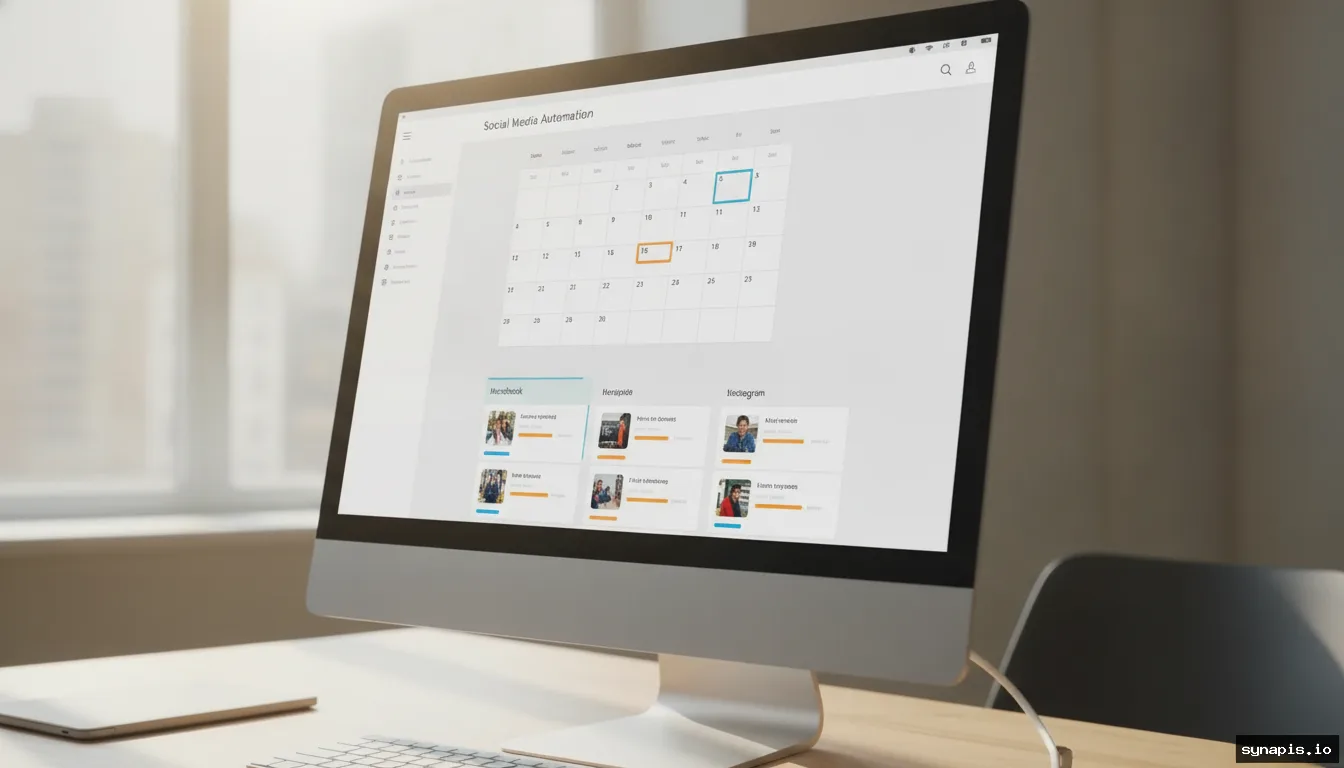
Scheduling content in advance means you never miss key retail moments, such as Black Friday, new launches, or community-focused posts, and the platform reports engagement metrics like likes, shares, and impressions for ongoing optimization.
Retargeting and the Power of Dynamic Product Ads
Most shoppers don't buy on their first visit. Facebook’s dynamic product ads target those who viewed products but didn’t buy, showing them the exact items they browsed. Pairing these ads with limited-time offers can significantly improve conversion rates for ecommerce stores.
Be mindful of the attribution window: recent privacy changes limit reporting to 7-day click or 1-day view. For stores with longer buying cycles, tighten your retargeting window and use reminder ads or email follow-ups to get the most from your ad spend.
Using Facebook Marketplace and Product Tagging
Facebook Marketplace is a powerful channel for ecommerce. As of 2026, billions of users shop here, and listing your products gives you direct access to a massive audience and substantial gross merchandise value. Tagging products in posts, albums, or images turns regular content into shoppable experiences, letting users buy without leaving Facebook. This can speed up the journey from interest to purchase by enabling buyers to click directly from a photo to your product page.
Many brands run Marketplace listings alongside their main shop to maximize reach and conversion. Make sure all product details, images, pricing, and shipping info are accurate and current, as inconsistencies can quickly lose a sale.
Measuring and Refining Your Strategy
Tracking performance is essential for growth. Focus on meaningful metrics: ad CTR, engagement rate, and sales driven. Retail and ecommerce campaigns averaged strong CTRs in 2026, outperforming many other industries, thanks to better creative and improved targeting.3
Review which formats (Reels, albums, carousels) drive real engagement, and focus on those for your best products. Regularly rotate creative and connect each post or campaign to a specific funnel stage. Use your automation platform’s reporting to monitor likes, shares, and reach, and adjust your content plan monthly.
Start by mapping your funnel, choosing one new format or automation for each stage, and tracking metrics to see what improves results. Consistency and data-driven adjustments are key in Facebook ecommerce marketing, so build your workflow and keep refining it for ongoing success.