
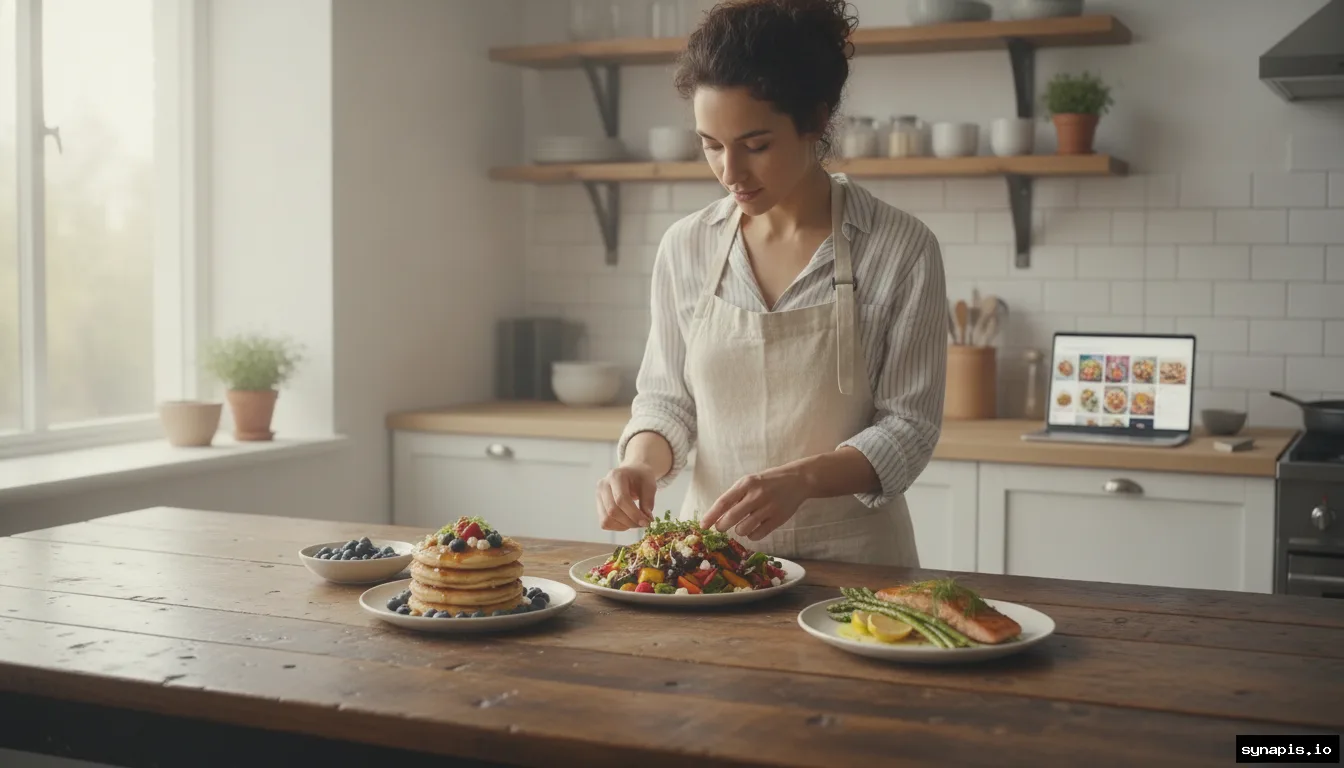
Pinterest marketing strategies for food bloggers center on reaching new audiences and reliably sending visitors to your site. Pinterest rewards mouth-watering visuals and seasonally relevant content, making it one of the most effective channels for food content creators who want sustainable growth.
Why Pinterest Remains Essential for Food Bloggers
Pinterest acts more like a search engine than a traditional social network. People use it to plan meals, find recipes, and organize ideas, which means your content meets users with high intent. For food bloggers, steady Pinterest traffic often outpaces Instagram or Facebook reach. Consistent pinning can drive 3 to 5 times more organic reach compared to other platforms, and American food blogs see an average of 3.2x more traffic from Pinterest than Instagram.1 This makes Pinterest a high-leverage channel for scaling your audience and capturing evergreen search interest.
Unlike fast-paced trending platforms, Pinterest content has a long shelf life. A single pin can generate clicks and saves for months, sometimes years, if it matches seasonal search demand. This persistence makes it ideal for recipes tied to holidays, events, or recurring food trends.
Pinterest Marketing Strategies for Food Bloggers: Core Tactics
Successful food bloggers on Pinterest stick to several foundational tactics. First, use high-resolution, vertical images (1000x1500 pixels or a 2:3 ratio), as they perform best in feeds and search. Next, write clear, keyword-focused pin titles and descriptions to improve your discoverability. Consistency is another pillar: scheduling 5 to 15 pins per day, either original or re-pins, helps keep your content visible without overwhelming followers.
Tailor your approach by researching keywords in Pinterest Trends and aligning your pinning schedule with seasonal and event-driven searches (think Super Bowl snacks or summer grilling). Remember, Pinterest users plan 1 to 3 months ahead, so publish your pumpkin bread pins in late summer to catch fall planners.
Optimizing Visuals: What Works for Food Pins
The most successful food pins showcase vibrant, appetizing shots with good lighting and minimal clutter. Use close-ups to highlight texture, color, and freshness. Collages can work well for step-by-step recipes or to show a finished dish alongside ingredients. Overlaying simple, readable text (not more than 20% of the image) can help call out unique aspects, like "30-Minute Vegan Chili" or "No-Bake Dessert."
Including your logo on every image builds brand recognition and discourages unauthorized use. If you’re updating old blog posts, refresh their images before pinning for a better first impression and improved engagement.
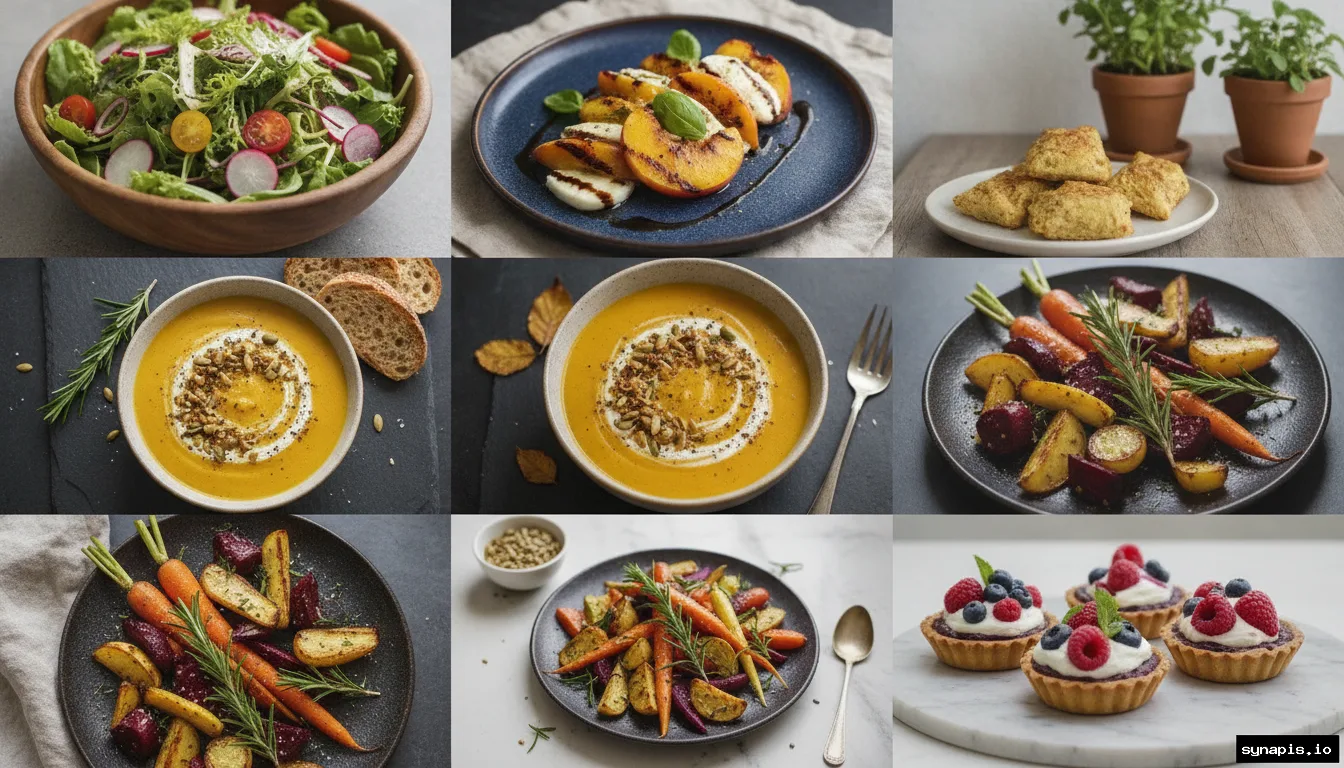
Test how your images look on mobile, since the majority of Pinterest browsing happens on phones. Striking, scroll-stopping visuals drive saves and clicks far more than generic or poorly lit photos.
Keyword Planning and Pin Descriptions for Food Bloggers
Effective Pinterest marketing starts with understanding how people search for recipes. Use Pinterest Trends and the search bar autocomplete to gather terms people look for, and include these naturally in your pin titles and descriptions. For example, target both broad and niche searches: "healthy dinner ideas" as well as "low-carb zucchini lasagna."
Descriptions should sound natural, not stuffed, and answer what the visitor gets (e.g., "Quick chicken sheet pan dinners for busy weeknights"). Include key ingredients, dietary tags (vegan, gluten-free), and serving ideas to appear in more searches. Hashtags are less important than in the past; focus on rich, descriptive language instead.
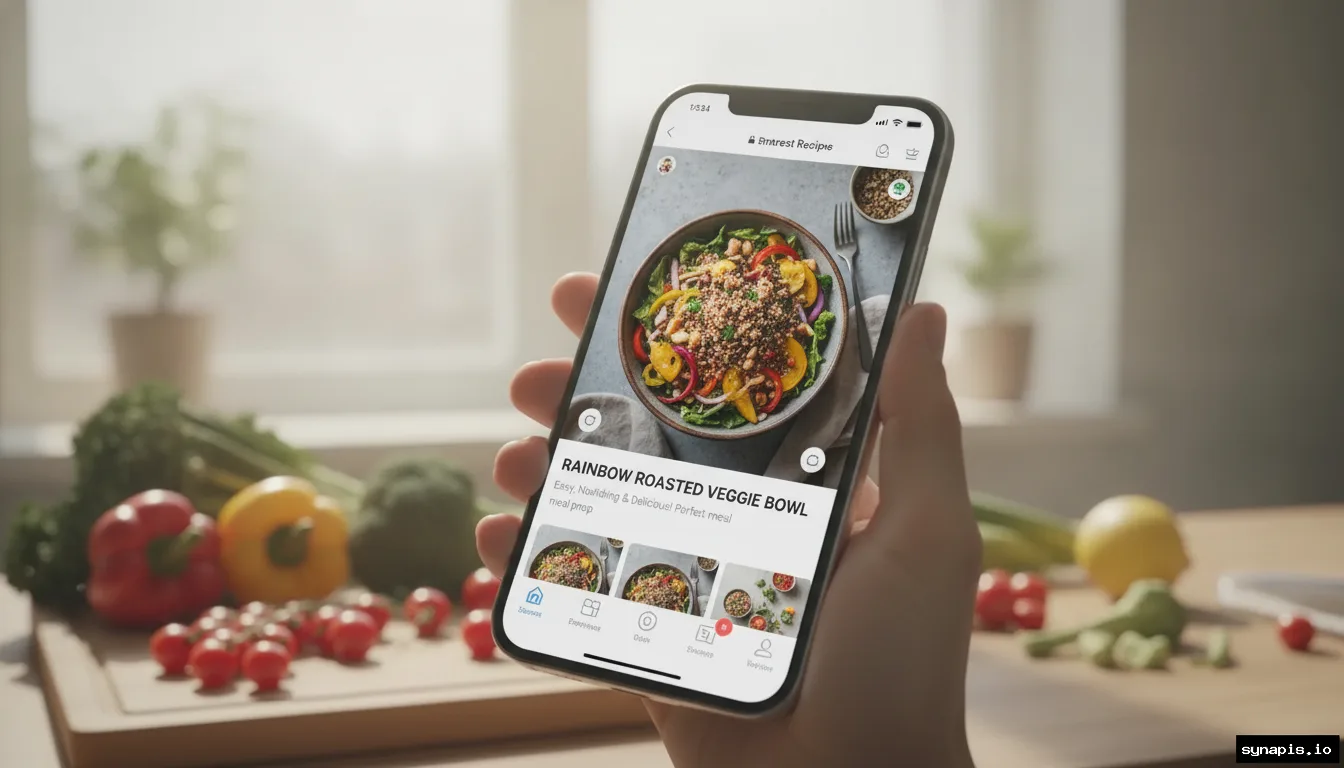
Build boards around topics people search for: "Easy Weeknight Meals," "Holiday Baking," or "Vegetarian Family Favorites." This helps Pinterest understand your niche and recommend your content more often.
Seasonal and Trend-Driven Content: Timing Is Everything
Pinterest’s users plan ahead, especially in the food niche. Seasonal content, like grilling recipes posted in spring or Christmas cookies in October, can double your click-through rate. Use a calendar to map out major food holidays and start pinning related content 2 or 3 months before the date.
In 2026, interest in sustainable living and plant-based meals continues to rise, so adapting recipes or headlines to these trends can bring in additional traffic. Don’t just rely on holiday spikes; evergreen recipes ("quick pasta dinners," "meal prep bowls") bring year-round value. Watch Pinterest’s own trend reports for new search surges you can address early.
Scheduling Content Consistently for Steady Growth
Consistency beats bursts of activity. Scheduling pins daily ensures you maintain reach without manual effort. Tools that auto-publish to Facebook, Instagram, or LinkedIn, like Synapis, can free you up to focus on crafting great food content while keeping your social presence active on other networks. For Pinterest itself, use its built-in scheduler or trusted third-party tools to queue pins weeks ahead, aligning with your editorial calendar.
Batching content creation helps streamline this process. Spend one day photographing recipes, another designing pins, and another writing keyword-rich descriptions. This approach saves time and keeps your workflow routine, even during busy seasons.
Tracking Performance: What Metrics to Watch
To fine-tune your Pinterest strategy, focus on key metrics: impressions, saves, click-throughs, and outbound website traffic. Impressions tell you how often your pins are shown, but saves signal lasting value, users are more likely to revisit or share these pins. Click-throughs indicate the real impact on blog traffic. Use Pinterest Analytics to spot which boards and pins perform best, and adjust your strategy accordingly.
If you notice high impressions but low clicks, revisit your pin images and call-to-action text. If some boards outperform others, shift more content to similar themes. Regularly pruning underperforming pins and boards helps keep your account fresh and relevant.
| Metric | What It Measures | How to Improve |
|---|---|---|
| Impressions | Number of times pins are shown | Use trending keywords, pin at optimal times |
| Saves | How often users save pins to boards | Create visually appealing, useful pins |
| Click-Throughs | Users clicking to your blog/website | Clear calls to action, enticing images |
| Outbound Clicks | Traffic driven from Pinterest to your site | Optimize descriptions, test different pin styles |
Common Mistakes Food Bloggers Should Avoid on Pinterest
Over-pinning in a short burst and then abandoning the account can harm your reach. Likewise, pinning only your own content without re-pinning others signals low engagement to the algorithm. Neglecting image quality, using overly broad keywords, or failing to update seasonal boards can also limit growth.
Another misstep: ignoring analytics. If you don’t track what’s working, you miss opportunities to double down on high-performers. Lastly, avoid using too much text on pins or making descriptions sound robotic, these turn off both users and Pinterest’s algorithm.
Practical Workflow for Busy Food Bloggers
Developing a repeatable process makes Pinterest marketing manageable, even when your recipe-testing calendar is full. Start with a monthly plan: brainstorm seasonal and evergreen recipe ideas, batch cook and photograph dishes, design 2 to 3 pin images per post, and write keyword-rich descriptions. Use Pinterest’s native scheduler or reputable tools to batch your uploads.
Review analytics every two weeks to adjust your focus. Delegate or automate routine pinning where possible to stay consistent. Consider syncing your broader content calendar across other platforms too, automation platforms can streamline your social presence, letting you focus on creating and testing new recipes.
Building Long-Term Audience Growth Beyond Pinterest
Remember, Pinterest is a powerful driver but not an end in itself. Use it to funnel readers to your site, where you can build direct relationships through email lists, communities, or exclusive content. Make sure your landing pages are optimized for recipe seekers and mobile users, fast loading, easy to navigate, and featuring clear calls to action.
Combine your Pinterest efforts with a smart on-site SEO strategy and regular content updates. Over time, you’ll build an audience that returns for every new recipe, not just the one they found on Pinterest.
Next Steps to Grow Your Food Blog with Pinterest
Consistent, keyword-driven pinning sets you up for sustained growth. Use seasonal trends, invest in strong visuals, and refine your workflow to keep your account fresh. Don’t neglect analytics, let data steer your content calendar and pin designs. With these strategies, you can turn Pinterest from a passive traffic source into a cornerstone of your food blog’s expansion.