
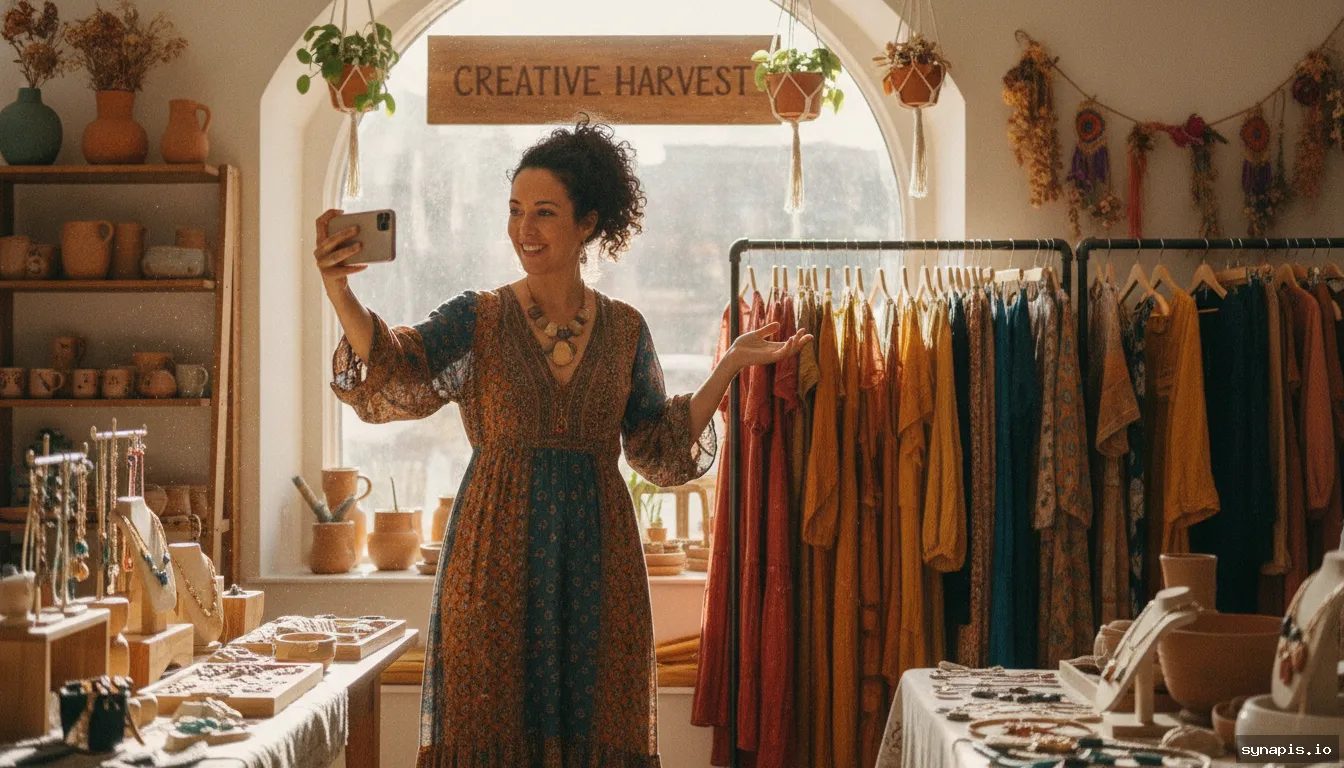
Instagram marketing for small business is delivering real results in 2026, with short-form video, creative posting strategies, and smart automation giving independent brands an edge. If you sell products or services and want more visibility, new followers, and measurable sales growth, Instagram continues to outperform other platforms for small businesses.
Why Instagram Remains Critical for Small Businesses
Instagram’s reach is enormous: 3 billion active users scroll the app monthly, and over 350 million business accounts now compete for attention.12 Reels have become the leading format for engagement, with reach rates surpassing other content types in 2026.3 For small businesses, this means more opportunities to connect with potential customers, especially if you use tools that keep your creative efforts consistent and on-brand.
Small businesses benefit from Instagram’s shopping features and discovery tools. Business accounts now make up nearly 65% of all accounts on the platform, and 62% of marketers report consistently positive ROI from Instagram.4 Instagram generated $75 billion in ad revenue in 2026, with a strong focus on rewarding quality content and engagement rather than just ad spend.
Building a Foundation: Business Profiles and Basics
Start with a professional Instagram business account. This unlocks analytics, ad tools, and shopping features. Use a recognizable profile photo, write a clear, benefit-focused bio, and link either your main website or a direct product collection. Treat your profile as your digital storefront, and keep highlights updated with new arrivals, testimonials, FAQs, or event updates.
Consistency is essential for growth. Plan a 30-day posting schedule that balances content types and themes. Schedule posts ahead (with tools like Synapis or Instagram’s native tool) to maintain regularity, even when you’re busy. Focus on quality, but don’t disappear for weeks: the algorithm favors steady engagement.
Instagram Marketing for Small Business: Content That Works
Successful small businesses focus on three main content pillars:
- Behind-the-scenes stories: Show your process, workspace, packaging, or sourcing. Audiences appreciate authenticity and craft.
- Quick tips and education: Share advice related to your product or service, such as how to style, store, or use what you sell.
- Teasers and product reveals: Build excitement with blurred images, countdowns, or short Reels hinting at new launches. This keeps followers returning to your profile.
For small accounts, Reels are especially effective. Reels are promoted to new audiences in the Explore tab and outperform carousels and static posts for impressions and reach, even for accounts with fewer than 50,000 followers.5 Create short, visually appealing videos that tell a story in under 30 seconds.
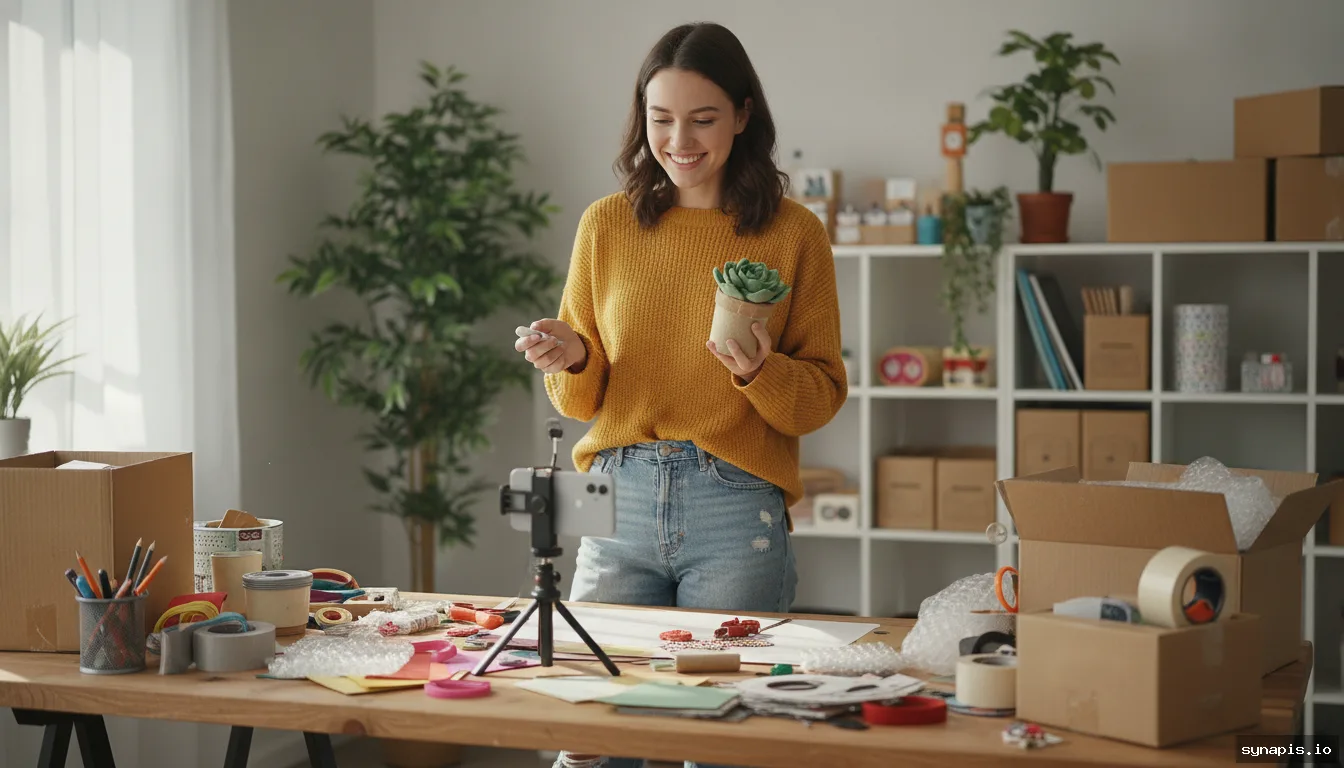
Stories and Lives help you connect with your audience. Use them to answer questions, share customer testimonials, or run flash promotions. Mixing formats keeps your grid and feed fresh and engaging.
Optimizing Posting Schedules and Engagement Tactics
Timing matters. Check Instagram Insights to see when your followers are online. Weekday mornings and early evenings often work for retail brands, while B2B services may see better engagement midday. Batch content creation to save time and use automation platforms to schedule and cross-post content.
Engagement is about more than just posting. Respond quickly to comments and DMs, and use interactive stickers in Stories (polls, questions, quizzes). This increases your visibility in the algorithm and helps build a loyal community. Regularly feature user-generated content, tagging the original creator, to encourage advocacy and strengthen relationships.
When planning campaigns or launches, use a content calendar to coordinate teaser posts, countdowns, and launch-day announcements. Here’s a quick overview of popular Instagram content types and their typical performance in 2026:
| Content Type | Best Use | Average Engagement Rate | Reach Potential |
|---|---|---|---|
| Reels | Discovery, product demos, reveals | Above 2% | Very High |
| Stories | Q&A, behind-the-scenes, polls | About 1% | Medium |
| Posts (Photo) | Showcase finished products, testimonials | About 1% | Medium |
| Carousels | Step-by-step, educational, before & after | Up to 1.9% | Medium-High |
| Instagram Live | Real-time Q&A, launches, events | Below 1% | Low-Medium |
Scaling With Automation and Smart Tools
Manual posting takes time. Smart automation helps you keep your Instagram active and engaging while you focus on your business. Synapis can connect your eCommerce store, generate on-brand captions and visuals, and schedule content in advance across Instagram, Facebook, and LinkedIn. This allows even the busiest business owner to maintain a professional presence without extra help.
Choose tools that let you preview your grid, schedule posts, and report on engagement metrics from one dashboard. Automation should support your workflow: batch your creative work, but regularly check in to answer questions and thank customers directly.

Tracking Success: Metrics That Matter
Follower count alone doesn’t guarantee results. Instead, track:
- Reach and Impressions: See how many unique users view your content, especially Reels and Stories.
- Engagement Rate: (Likes + Comments + Shares)/Total Followers. For small accounts, anything above 1% is strong in 2026.6
- Website Clicks and Shop Taps: Track conversions from product tags and bio links.
- Story Interaction: Replies, sticker taps, and poll responses show your audience is invested.
Use Instagram Insights and, if needed, third-party analytics to spot trends. Adjust your posting schedule, focus on formats that perform best, and try new creative ideas each month.
Common Pitfalls (and How to Avoid Them)
Many small businesses struggle when they treat Instagram as a standalone channel, building followers but not connecting Instagram with their website, email list, or store. Always direct Instagram traffic to channels you control, like your website or newsletter, to avoid relying solely on platform algorithms.
Another common issue is inconsistent posting, which confuses both the algorithm and your followers. If consistency is a challenge, use templates, batch content, or automate your workflow. Don’t rely only on sales posts, balance product promotions with educational or behind-the-scenes content to keep your audience interested.
Finally, don’t ignore comments or DMs. Instagram’s algorithm values responsiveness, and you’ll build a stronger community by answering questions and feedback quickly.
Instagram Marketing for Small Business: Key Takeaways
Instagram remains the most valuable channel for small business social media growth in 2026. By focusing on high-engagement formats like Reels, maintaining a consistent posting schedule, using scheduling and automation tools such as Synapis, and tracking meaningful metrics, any small business can compete with larger brands. Build your brand story, nurture your audience, and watch your reach and revenue grow.
Ready to streamline your content workflow and keep your Instagram active, no matter how busy you get? Try Synapis for seamless automation and intelligent content generation that keeps your voice authentic.