

Interactive Instagram Stories give ecommerce brands an edge by turning passive viewers into active participants. The best examples of interactive Instagram Stories for ecommerce feature creative use of polls, quizzes, countdowns, shoppable stickers, and more. Here are ten practical ideas you can use to boost engagement and create memorable touchpoints with your audience in 2026.
1. Product Polls: Let Shoppers Guide Your Next Drop
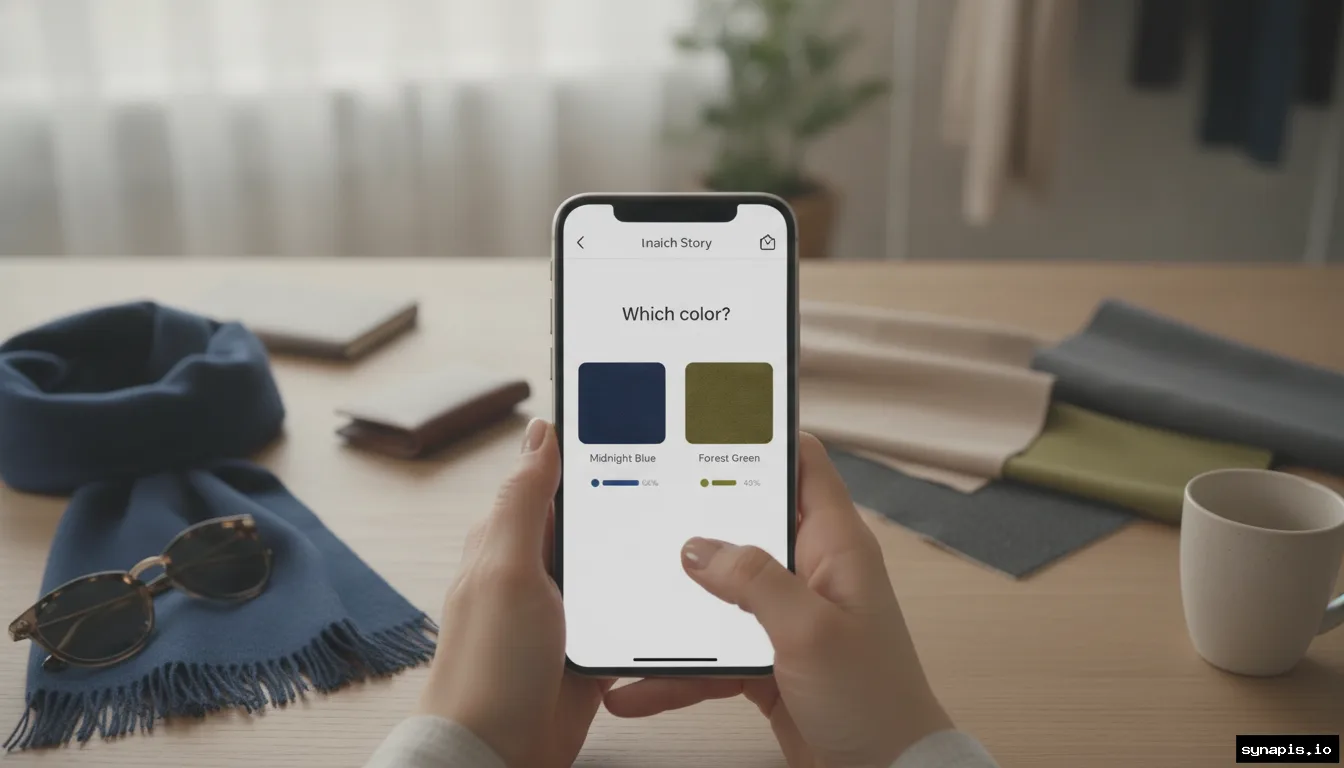
Product polls are a direct route to customer insight. Whether you’re deciding between two new shirt colors or asking which style to restock, polls let followers have their say. A simple “Which should we launch next: navy or olive?” offers instant feedback and builds anticipation for the winning product. Rawson, for instance, routinely pairs product images with "This or That?" polls, gaining thousands of responses and valuable preference data.
These polls do more than gather opinions. They foster a sense of ownership among your audience, who feel heard and invested in your brand’s direction. By following up with the winning product’s release, and tagging poll participants with a thank you Story, brands can deepen loyalty and demonstrate responsiveness, all while making product decisions more data-driven.
2. Quizzes and Trivia: Make Learning About Your Products Fun
Quizzes allow you to test how well your audience knows your products or brand story. For example, a skincare brand might use a quiz to cover key product benefits: “Which of these ingredients helps brighten skin?” with multiple choice answers. Get creative and reward correct answers with exclusive discount codes or sneak peeks at new launches.
Trivial games also tap into people’s competitive spirit, encouraging them to share scores or challenge friends to beat them. SocialPilot’s research reports that quizzes not only drive interaction but also increase time spent on your Stories, improving algorithmic reach and visibility.1 Make each quiz relevant, light-hearted, and tightly linked to your product line for best results.
3. Behind-the-Scenes Stories: Humanize the Brand
People connect with people, not just products. Take your followers behind the curtain with Stories that showcase your design process, warehouse packing, or team brainstorming sessions. Highlighting the humans behind your store builds trust and authenticity. For example, give a quick video tour of your packing station, with a poll asking, “Which packing paper do you like best: kraft or patterned?”
These glimpses make customers feel part of your journey. Pinsy Shapewear’s Stories featuring staff preparing orders or modeling new launches routinely receive above-average message replies, and it isn’t by accident, they invite questions and respond to them live, deepening the relationship.
4. Customer Success Features: Highlight Real Shoppers
Spotlight satisfied customers by sharing their reviews, selfies with your products, or before-and-after shots in Stories. Use the question sticker to ask, “How has our product changed your routine?” and share the top responses, tagging contributors (with permission). This not only validates the purchase for new prospects but also thanks loyal fans in a visible way.
Reposting user-generated content with interactive elements, like rating sliders (“How much do you love this transformation?”), sparks more participation. You’ll also build a valuable library of social proof that can be repurposed in other marketing channels. Engagement here tends to be high, since customers enjoy seeing themselves recognized by a brand.
5. Countdown Stickers for Launches and Flash Sales
Few tools build anticipation like the countdown sticker. Use it to hype product drops, seasonal collections, or limited-time sales. Followers can tap to set a reminder, increasing the odds they return when your event goes live. NoochPOP, a snack brand, uses countdowns to tease new flavors, gathering opt-ins from hundreds of followers in hours.
A smart twist: combine countdowns with question stickers, “What are you hoping for in our next drop?”, to collect feedback and build buzz simultaneously. Release day becomes an event, with many followers sharing your countdown to their own Stories, amplifying your reach organically.
6. Shoppable Stories: Tag Products for Instant Shopping
Instagram’s shopping stickers let you tag products directly inside Stories, streamlining the path from inspiration to purchase. For ecommerce brands with Instagram Shopping enabled, this feature is a must. Show a collection of outfits or gadgets, then tag each product, so a viewer can tap for details and check out seamlessly in-app.
To drive even more clicks, couple shoppable posts with a poll, “Which would you add to cart first?”, or a quiz that hints at which product fits each personality type. Shoppable Stories aren’t just about exposure, they convert casual browsers into buyers by reducing steps between discovery and checkout.
7. Story Sliders: Quick Feedback on Products and Ideas
Emoji sliders make feedback frictionless. Ask questions like, “How excited are you for our new print?” or “Rate this week’s top seller!” and let viewers react with a swipe. Emoji choice matters; brands often see higher engagement when using playful, brand-related icons.
Sliders are especially powerful for quick product validation or crowdsourcing opinions without the pressure of a poll or quiz. They also work well for event recaps, with prompts like, “How much fun did you have at our pop-up?” Instant, visual responses help you gauge sentiment at a glance and adapt quickly.
8. Interactive Giveaways That Require Action
Giveaways drive a surge in engagement when you ask for more than a simple follow. For example, require viewers to answer a quiz, submit a poll response, or DM a secret word found in your Story to enter. Pinsy Shapewear structured a recent giveaway so participants watched a series of product education Stories, then answered a final question via sticker to qualify.
This model turns passive contest entries into meaningful interactions, and the data collected, such as preferred products or shopping occasions, can inform future launches. Announcing winners in a follow-up Story creates another engagement spike, as tagged users share their excitement and friends take note.
9. Ask Me Anything (AMA) Sessions with Founders or Designers
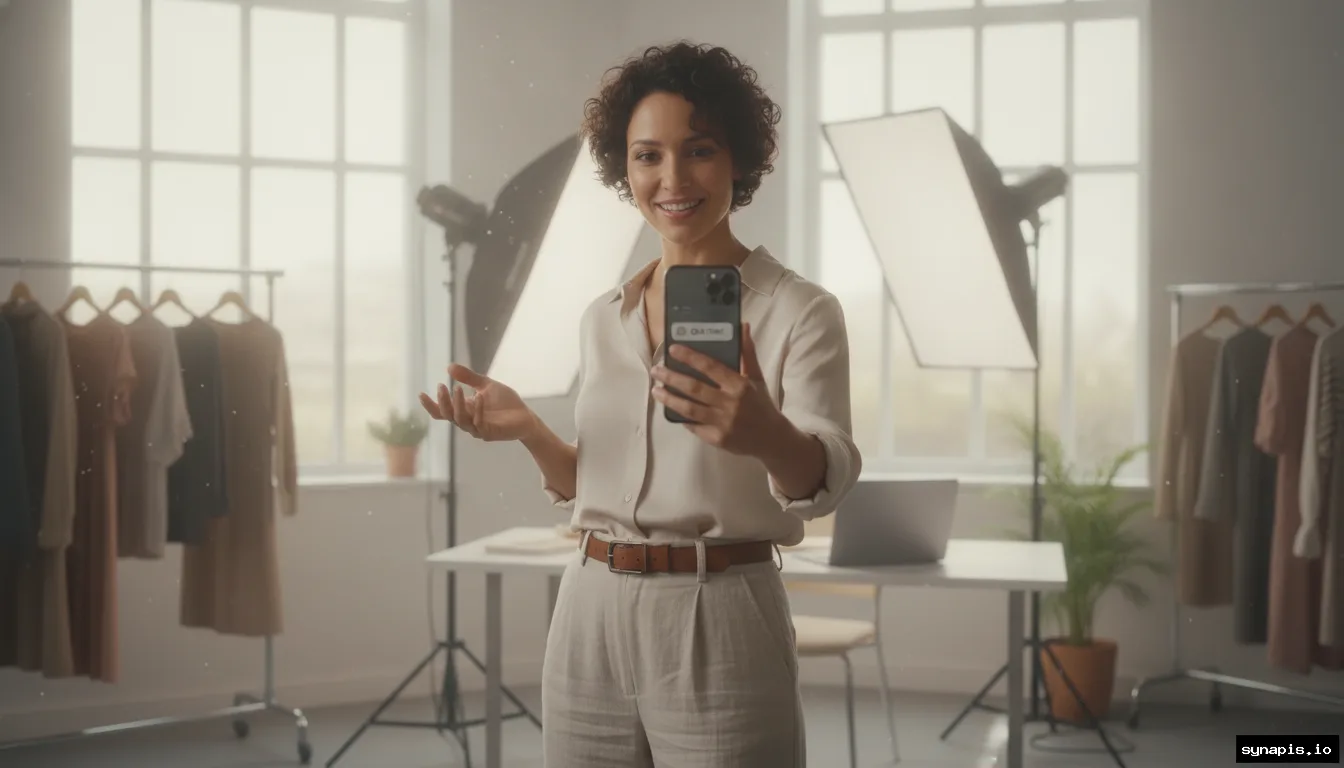
Opening up the floor to questions invites authentic conversation. Host a Story-based AMA where your founder, designer, or even warehouse lead answers questions sent via the question sticker. Pre-select a handful and respond in video or text Stories for all followers to see. Topics could cover upcoming releases, sourcing decisions, or personal anecdotes.
AMAs demonstrate transparency and create a two-way dialogue, not just marketing at your audience. Brands routinely report DM spikes and new followers after AMA sessions, especially if the answers reveal exclusive hints about products or company culture. Your team’s face and voice become an extension of your brand identity.
10. Examples of Interactive Instagram Stories for Ecommerce Done Right
To wrap up, let’s break down real-world examples that combine these tactics for maximum effect. Brands like NoochPOP and Pinsy Shapewear use a mix of polls, quizzes, countdowns, and customer features in tightly-scripted Story flows. A typical sequence: introduce a new product with a countdown, poll followers on size or style preference, share UGC with a rating slider, and cap it off with a Q&A session about care tips or use cases.
These comprehensive Story campaigns do more than just entertain, they gather actionable insights, boost follower retention, and pave the way for sales. The most successful sellers use automation to keep their Stories regular and on-brand. For stores looking to simplify content creation, platforms like Synapis help automate on-brand posts, images, and captions from your shop’s live catalog, so you always have fresh Story content ready to schedule and publish where your customers are most active.
Keep Your Stories Fresh and Engaging
Instagram Stories reward creativity and real involvement. By mixing these ten interactive approaches, and automating content where possible, you’ll keep your ecommerce brand top-of-mind and drive measurable results. The key is to design Stories that feel personal and participatory, inviting your audience to become true collaborators, not just viewers.