

Content pillars for social media are the main themes or topics that structure your brand’s conversations and campaigns online. These pillars create a clear framework for your posts, ensuring consistency and relevance while making planning more efficient. By organizing your strategy around well-defined content pillars, you attract the right engagement, clarify your message, and avoid the unfocused posting that weakens many brands.1
1. Educational Content: Teaching and Adding Value
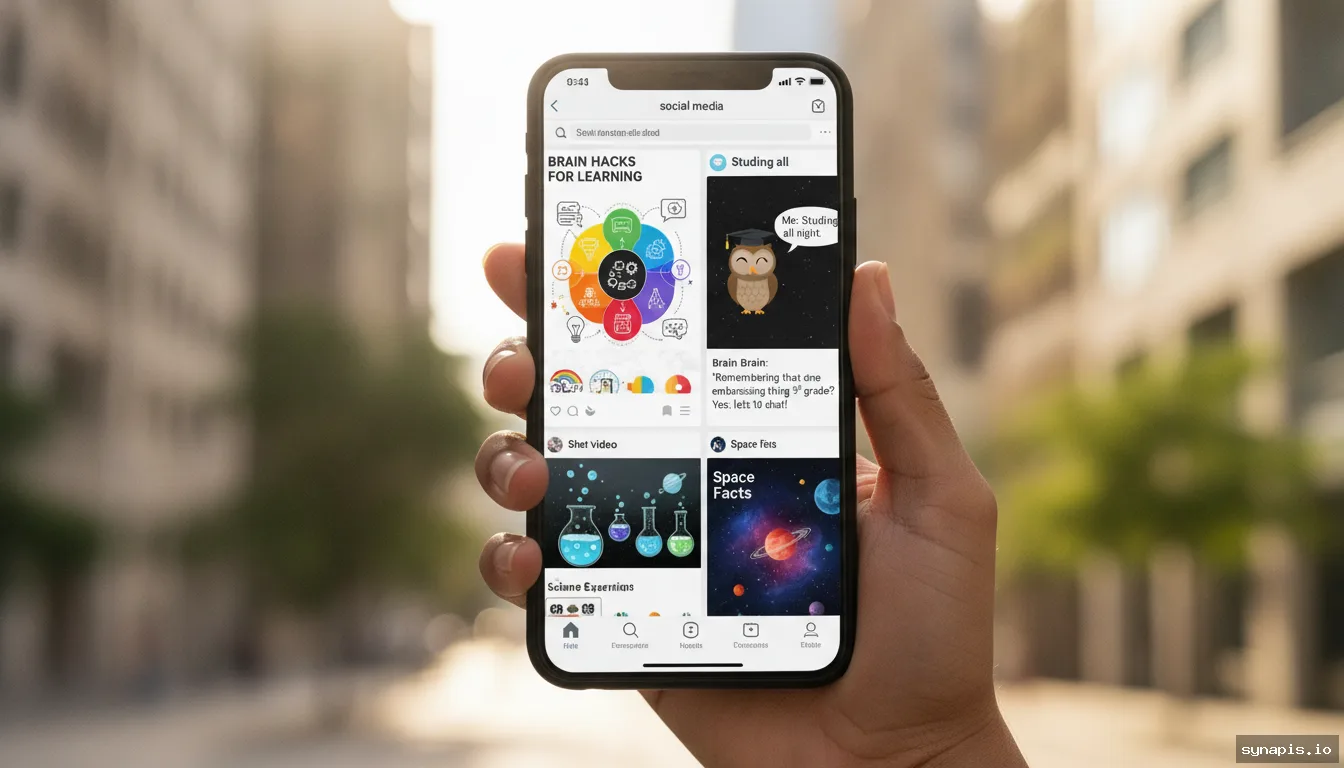
Educational content pillars focus on sharing knowledge, insights, and actionable tips relevant to your niche. For example, a skincare brand might explain ingredient science or debunk skin myths, while B2B companies could post how-to guides, industry explainers, or product tutorials. The aim is to help your audience or spark curiosity, not just promote products.
Brands that prioritize education build stronger loyalty and see more sharing. Educational content is a key driver of brand authority.1 With more people searching for quick knowledge on social platforms, this pillar continues to outperform purely promotional tactics.
2. Entertaining Content: Capturing Attention and Fostering Community
People turn to social media for relaxation and entertainment. The entertainment pillar focuses on humor, memes, pop culture tie-ins, or viral challenges. This is where your brand’s personality comes through. Food brands might join trending recipe videos, while SaaS companies can share industry jokes or relatable content for their audience.
Balancing entertainment with your other pillars keeps your feed from being overly sales-focused or monotonous. Entertaining content often gets the most shares and saves, especially when it reinforces your brand values or messaging. In 2026, audiences expect authenticity and want to see the people behind the brand, making lighthearted content essential.2
3. Inspirational Content: Building Emotional Connection
Inspirational content connects with your followers’ goals and values. This can include customer success stories, employee spotlights, or posting quotes and case studies that reflect your mission. For example, a fitness brand might highlight a member’s progress, while universities showcase student achievements and faculty research.
Inspirational posts humanize your brand and foster a sense of belonging. In close communities, these stories encourage engagement and sharing. For mission-driven organizations, this pillar can highlight your brand’s impact and attract like-minded followers. These moments are designed to spark conversation, not just collect likes.

4. Promotional Content: Driving Action and Conversion
Every brand needs to sell, but promotional content should be balanced. This pillar includes product launches, limited-time offers, store events, and calls to action. It’s best to keep this to a smaller portion of your output, as recommended by leading strategy templates, so you don’t overwhelm your audience.
Marketers use tools like Synapis to automate the creation and scheduling of promotional posts, ensuring they’re published at the right times while maintaining variety in content. Focus on clear visuals, compelling copy, and straightforward calls to action. Always connect promotions to customer benefits to keep conversion rates strong.
5. Behind-the-Scenes Content: Showcasing Authenticity
Audiences trust brands that feel genuine. Behind-the-scenes (BTS) content shows your process and introduces your team. This might include production footage, team moments, or a look at the reality behind polished campaigns. For consumer brands, BTS posts can highlight craftsmanship or company culture. For B2B, it’s about building credibility and trust.
BTS content often gets more engagement than generic posts because it gives followers a look inside your brand. In 2026, authentic, identity-driven content is more important than ever, as audiences look for real connections.3
6. Community-Driven Content: User-Generated and Interactive
Social media is built for interaction. Community-driven content pillars include user-generated content (UGC), Q&As, polls, and shareable challenges. Feature customer testimonials, repost fan photos, or run live sessions where you answer audience questions in real time. This pillar invites your followers to participate, not just watch.
Brands that highlight UGC or encourage conversation see higher engagement and loyalty. Try monthly hashtag challenges or feature a "fan of the week." With the right tools, you can identify what your audience is already excited about and join real-time conversations.
7. Social and Cultural Commentary: Staying Relevant
Audiences now expect brands to have a voice on cultural moments and social issues, as long as it matches your values. The social and cultural commentary pillar includes responding to news, celebrating diversity, or supporting causes. Universities, for example, may spotlight humanitarian projects or campus activism.
This pillar requires careful consideration, misalignment or poorly planned commentary can backfire. When it’s authentic and well-considered, it strengthens connections with followers. The benefit: greater relevance and community goodwill, balanced with the need to stay informed and sensitive.
Comparing the 7 Content Pillars for Social Media
| Pillar | Main Goal | Example Post | Suggested % of Content |
|---|---|---|---|
| Educational | Teach, inform | "5 Tips to Maximize Your Workflow" | 40% |
| Entertaining | Engage, amuse | Brand meme about common frustrations | 30% |
| Inspirational | Motivate, build connection | Customer success story | 10-20% |
| Promotional | Convert, sell | Product launch announcement | 10-20% |
| Behind-the-Scenes | Humanize, build trust | Clip of the team preparing for an event | 10% |
| Community | Involve, co-create | User photo contest winner | 10-20% |
| Social/Cultural | Show values, stay current | Post about Pride Month support | 5-10% |
Using content pillars for social media helps your brand stay consistent, engaging, and aligned with its mission, while making it easier to generate ideas. Planning your calendar around these themes streamlines team briefs, supports automation tools like Synapis, and makes it easier to measure what works. Consistency makes your brand recognizable, trustworthy, and top-of-mind for your followers.
Want to streamline your content planning and automate your posting? Try Synapis, a platform built for on-brand, AI-powered social media that keeps your pillars strong across Facebook, Instagram, and LinkedIn.