

Even the most careful brands face the risk of a social media crisis. This step by step guide to creating a social media crisis management plan explains how to prepare your team, processes, and messaging before a crisis occurs. A clear, actionable plan can determine whether an issue is resolved quickly or becomes a costly PR problem.
Step 1: Assess Your Brand’s Social Media Risks
Begin by identifying your organization’s specific risks on social media. Consider scenarios relevant to your industry and brand, such as product recalls, viral customer complaints, or data breaches. Review past incidents involving your competitors and your own team, even those that remained minor. Analyze which channels (Facebook, Instagram, LinkedIn, etc.) are most likely to attract attention during a crisis.1
Gather insights from previous incidents and monitor sentiment around your brand. Consider both external threats like negative viral posts and internal issues such as miscommunications or accidental content. List your main risks and rank them by likelihood and potential impact. This prioritized list will guide your crisis planning and help you focus on the most important areas.
Step 2: Form and Train Your Crisis Response Team
Assemble a cross-functional crisis response team. Include representatives from social media, communications, legal, and executive leadership. Assign clear roles: one person monitors issues, another drafts responses, and a final decision-maker handles approvals. Document these assignments in your plan so responsibilities are clear.
Train the team regularly with simulations. Practice sharing information quickly, drafting holding statements, and escalating serious issues to leadership.2 Tabletop exercises using hypothetical scenarios help reveal gaps and ensure everyone is comfortable with the process. Ongoing practice helps your team act quickly and confidently when needed.
Step 3: Develop an Escalation and Notification Process
Set clear criteria for when a potential issue becomes a crisis. Define thresholds, such as the volume of negative mentions, engagement with critical posts, media involvement, or direct threats to customer safety. Document escalation triggers and specify which team members must be notified at each level. For example, negative reviews may be handled by the social team, while a viral safety concern should be escalated to leadership immediately.
Outline your internal notification process. Specify which communication channels, such as Slack, SMS, or email, should be used to deliver alerts quickly. Keep an up-to-date contact list for all crisis team members, including backups for each role. Store these resources in a cloud location for easy, 24/7 access.
Step 4: Prepare Crisis Communication Templates and Playbooks
Create response templates for various crisis types. Include holding statements for situations where you need to acknowledge the issue while gathering more information, as well as templates for apologies, corrective actions, or media inquiries. Ensure all language matches your brand’s voice and legal requirements.
Develop a detailed response playbook for each top risk scenario. Include step-by-step instructions: who drafts the public message, who approves it, and how it gets posted. Attach sample posts for Facebook, Instagram, and LinkedIn to reflect each platform’s audience and tone. Having these materials pre-approved and ready saves valuable time during a crisis.
Step 5: Monitor Social Channels and Detect Threats Early
Active monitoring is essential for early crisis detection. Track mentions, hashtags, and keywords related to your brand and potential crisis triggers. Even if you don’t use advanced social listening or sentiment analysis tools, regular manual checks can help you spot issues before they grow.
Set up alerts for spikes in negative comments, direct messages, or media inquiries. Watch for trends, such as a sudden rise in questions about product safety or customer service. Early detection allows you to escalate issues while they’re still manageable and respond with prepared statements before rumors spread.
Step 6: Execute and Refine Your Response in Real Time
When a situation meets your escalation criteria, act quickly. Post your holding statement on the affected channels, then coordinate internally to gather facts. Respond only with confirmed, accurate information, speculation can make the situation worse. Monitor public reaction and update your messages as the situation changes.
If an apology is needed, make it specific and sincere. Generic or rushed apologies can worsen the problem, so take the time to get it right.3 Keep leadership up to date and revise your social posts as new information becomes available. Archive all crisis-related communication for transparency and future reference.

Step 7: Review the Incident and Update the Plan
After the crisis is resolved, hold a debrief with your crisis team. Review what triggered the crisis, how the response worked, and how effective your procedures and messaging were. Identify areas to improve, such as approval bottlenecks or unclear escalation triggers, and update your crisis management plan as needed.
Share important lessons with the wider team to improve future preparation. Schedule regular reviews of your crisis plan, especially when your brand launches new products or enters new markets. As social media platforms and risks change, your plan should be updated too. Ongoing post-crisis reviews help your team respond more effectively each time.
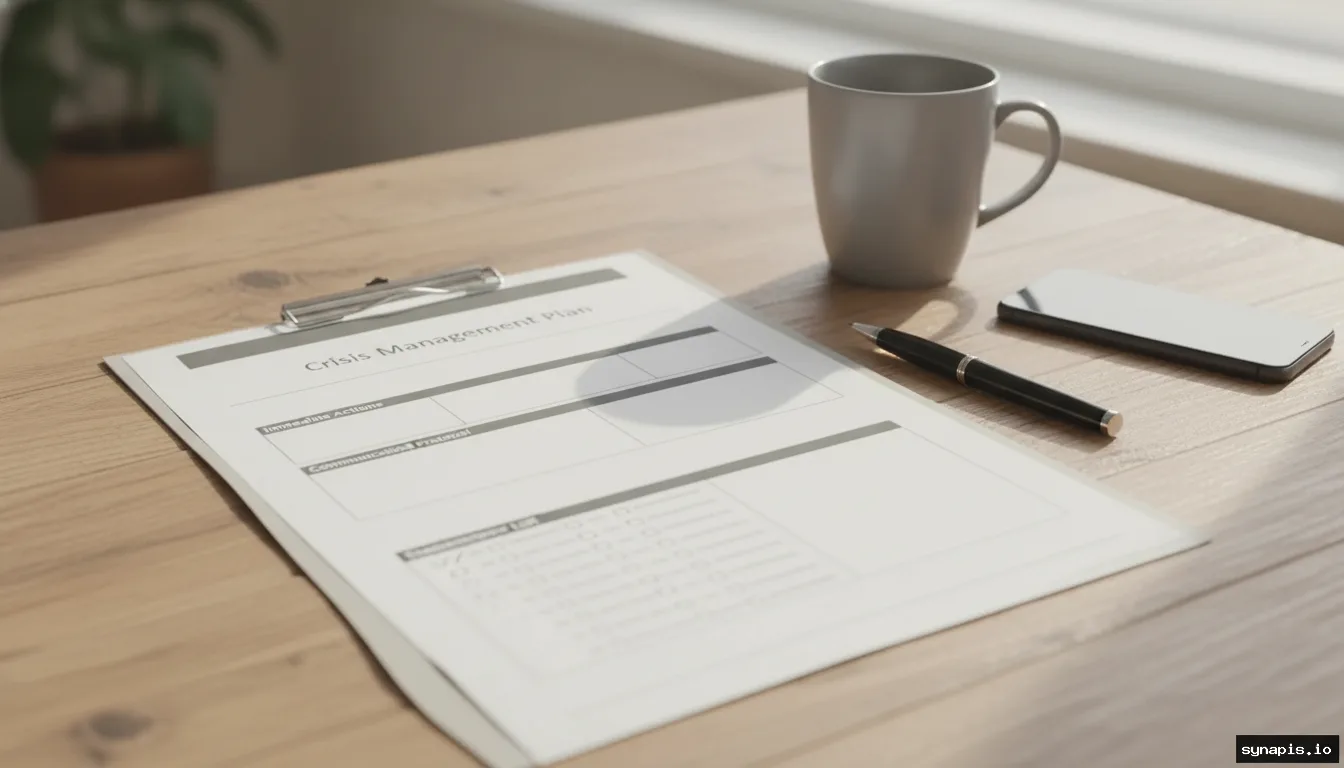
Step by Step Guide to Creating a Social Media Crisis Management Plan: Template Overview
The table below summarizes roles, triggers, and actions in a typical social media crisis management plan for quick reference:
| Role | Trigger/Threshold | Action Steps |
|---|---|---|
| Social Media Manager | Spike in negative mentions | Alert team, draft initial response, escalate if necessary |
| Communications Lead | Media involvement or viral posts | Approve public statements, coordinate with legal |
| Legal Counsel | Potential liability or regulatory concerns | Review and approve response templates |
| Executive Leadership | Brand reputation at risk | Make final decisions, communicate with stakeholders |